

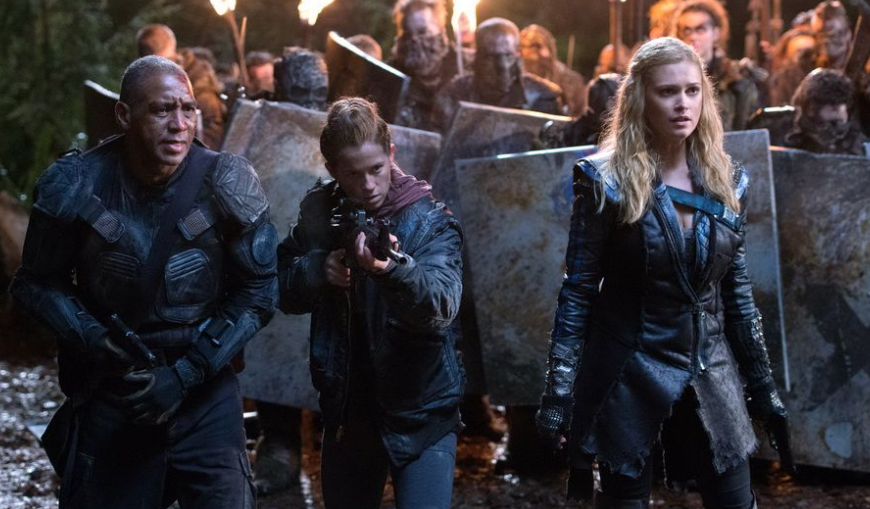
Many viewers consider the third season the moment the show became heavier and politically complicated. Earlier seasons focused more on survival struggles and territory disputes between groups. Season three moved toward power structures, belief systems, and technological control inside the story world.
Whoever studies The 100 S3 episodes tends to desire to know why the tone suddenly becomes darker. The season demonstrates how weak alliances may turn out to be when the ideology and the leadership come into conflict. The latter change is why the pacing is different from that in the previous segments of the series.
How Many Episodes Exist in Season Three
Season three contains sixteen episodes in total, which matches the episode structure used by the show after its early success. Each installment runs roughly forty to forty-five minutes, depending on broadcast edits. That length allowed the writers to handle several storylines at once.
The list of 100 episodes in season 3 covers political conflict, technological influence, and internal leadership struggles. Viewers often notice the season divides attention between multiple locations rather than staying with one group continuously.
Early Episodes Focus on Political Fallout
The opening episodes mostly address consequences from earlier conflicts. Characters must deal with the aftermath of violence that happened during the previous season. Leadership decisions made earlier suddenly create new problems that nobody predicted.
People revisiting 100 S3 episodes often say the beginning feels tense because trust between factions disappears quickly. Instead of open war, the early narrative uses negotiation scenes, strategic meetings, and fragile agreements. That approach builds pressure slowly rather than relying only on action scenes.
Technology Becomes Central to the Plot
Another defining part of 100 Episodes s3 revolves around advanced artificial intelligence influencing human choices. The storyline introduces technology that promises peace but quietly removes personal freedom. Characters begin questioning whether safety should come at the cost of independence.
This element changed how the show handled conflict. Instead of purely physical battles, the series added philosophical debates about control and consent. The season, therefore, mixes science fiction ideas with political decision-making inside the fictional society.
Important Characters Receive Expanded Roles
Several supporting characters from earlier seasons become much more important during this period. Writers gave them stronger motivations and clearer leadership responsibilities. Viewers who only remember the main protagonist might be surprised by how many perspectives appear in the narrative.
When people review 100 S3 episodes, they often mention the expanded influence of certain commanders and advisors. Those characters help shape the ideological arguments happening around them. Their decisions frequently push events toward unexpected directions.

Episode Structure Feels Slightly Uneven Sometimes
The pacing of 100 episodes of S3 does not remain completely consistent across all sixteen episodes. Some installments move quickly, with several major developments happening in one hour. Others slow down and spend time exploring character reactions and moral consequences.
This uneven rhythm was partly intentional. The writers wanted viewers to feel the growing tension between political leaders and ordinary survivors. As a result, certain episodes focus heavily on conversation rather than physical action.
The Role of Alliances During Season Three
Alliances become unstable throughout the timeline of 100 S3 episodes. Groups that previously cooperated begin questioning each other’s motives again. Small misunderstandings gradually evolve into larger strategic conflicts.
The writers used these alliances to explore how fragile trust can be in extreme situations. Characters must constantly decide whether protecting their own group matters more than preserving wider peace. That dilemma repeats across several episodes during the season.
Why the Season Divided Audience Opinions
Season three created strong reactions from viewers because it changed emotional expectations. Some fans appreciated the complex political storytelling and deeper philosophical themes. Others preferred the earlier focus on survival adventure.
Discussions about The 100 episode S3 often highlight how bold narrative decisions affected major characters. Certain events felt shocking or sudden, which caused debate among longtime followers. Even so, the season remains widely discussed because it attempted ideas rarely explored in similar television shows.
Production and Filming Details
Filming for 100 S3 episodes took place mainly in Canada, where the show had already established its production base. Forest locations and constructed village sets continued to represent the harsh environment surrounding the characters.
The production team also invested more time in visual effects during this season. Technology-related scenes required digital elements that blended with practical sets. These adjustments helped the series present a futuristic storyline without abandoning its grounded survival atmosphere.
Streaming Platforms Renewed Interest in Season Three.
Years after broadcast, streaming services helped introduce 100 episodes of S3 to new viewers who missed the original television run. Watching episodes consecutively changes how the story feels. Plot threads that once stretched across weeks now unfold within a few hours.
New audiences often revisit 100 S3 episodes online to analyze character motivations more closely. Binge watching makes it easier to notice political patterns and technological warnings hidden inside the script.
Practical Reasons People Still Research Season Three
Search interest around 100 episodes in S3 remains steady because the season contains several turning points for the overall storyline. Major decisions made here influence later seasons heavily. Without understanding this period, some future events might appear confusing to new viewers.
The 100 S3 episode list, therefore, acts like a reference point for fans who want to track character changes and ideological conflicts. Many online discussions still examine how the season reshaped the direction of the series.
Conclusion
The third season is the most outstanding, as it changes the way the story is told on the show. The 100 S3 episodes venture into the themes of political power, manipulation of technologies, and alliances in a far more thorough manner than the previous seasons had tried to. The writers also study the changes in power systems within weak societies, rather than concentrating primarily on the survival of people in a harsh environment. The audience who are doing research on 100 episodes of season 3 are normally interested in knowing about these intricate transitions. The season presents fifteen episodes of arguments, moves, and ramifications that influence the rest of the plot. This blend of science fiction and political tension continues to make the season relevant to new viewers even many years after its debut.